
Biological Classification
Biological classification is the process by which biologists group living organisms which, are classified on the basis of their similarity. Classification is essential for the convenient study of living organisms. It is required to identify different varieties of organisms. It helps in the correct identification of many organisms. It leads to the evolution of organisms. It also establishes phylogenetic relationships among organisms. Carolus Linneuas was one of the scientists to classify organisms.
The practice of classifying organisms based on shared characteristics is known as biological classification. Linnaeus proposed two areas of classification. He divided organisms into two kingdoms: the animal kingdom (Animalia) and the plant kingdom (Plantae). The classification of the two kingdoms had some disadvantages, such as the impossibility of distinguishing between eukaryotes and prokaryotes, unicellular and multicellular species, and photosynthetic and non-photosynthetic organisms. As a result, the field continued to grow and served as a primary example of R.H. Whittaker’s classification of the five domains or kingdoms.
Biological Classification
Two Kingdom Classification
Two kingdom classification was given by a biologist, Carolus Linnaeus. He classified organisms into two kingdoms, i.e. Plantae (included all plants) and Animalia (included all animals).
Disadvantages of Two Kingdom Classification
This system didn’t distinguish between the following types of organisms-
- Eukaryotes and prokaryotes
- Unicellular and multicellular organisms
- Photosynthetic (green algae) and non-photosynthetic (fungi) organisms
Five Kingdom Classification
In 1969, R.H. Whittaker proposed the five-kingdom classification. He classified those five kingdoms as Monera, Protista, Fungi, Plantae, and Animalia. He primarily used the following criteria for classification:
- Cell structure
- Body organisation
- Mode of nourishment
- Reproduction
- Phylogenetic linkages or relationships

Kingdom Monera
Bacteria are the main members of this kingdom. Kingdom Monera is further divided into:
- Archaebacteria
- Eubacteria or true bacteria

Archaebacteria
They are special bacteria as they can withstand extreme environmental conditions because of their different cell wall structure. They can be:
- Thermoacidophiles: They are found in the hot springs
- Halophiles: They are found in the salty areas
- Methanogens: They are found in the marshy areas/ gut of ruminant animals (production of biogas)
Eubacteria or True Bacteria
They have rigid cell walls and flagellum (locomotion), if motile. They can be photosynthetic autotrophs, chemosynthetic autotrophs and heterotrophs.
- Photosynthetic Autotrophs: Cyanobacteria (blue-green algae, have chlorophyll a), Nostoc and Anabaena are their common examples. They are surrounded by a gelatinous sheath or mucilaginous covering, which protects them from wetting. They fix atmospheric nitrogen in specialised cells called heterocysts (significance)
- Chemosynthetic Autotrophs: These are the bacteria which oxidise inorganic substances, e.g. nitrates, nitrites and ammonia and use the released energy for ATP production. They recycle nutrients, e.g. nitrogen, phosphorous, iron and sulphur (significance).
- Heterotrophs: They are decomposers. Some of them are pathogens and some are beneficial as they are helpful in making curd from milk, producing antibiotics, and fixing atmospheric nitrogen in leguminous plants (significance).

Heterocyst
Reproduction in Bacteria
They reproduce by asexual mode- binary fission, sexual mode- transfer of DNA and spore formation in unfavourable conditions.

Mycoplasma
They are the smallest organisms which lack cell walls. They can survive in the absence of oxygen (anaerobic). They cause diseases (pathogens).
Kingdom Protista
They are single-celled eukaryotes. They include:
- Chrysophytes
- Dinoflagellates
- Euglenoids
- Slime moulds
- Protozoans
| Classification of Protista | Characteristic Features | Examples |
| Chrysophytes (chief producers in oceans) | Their cell walls form two overlapping shells, which are fit together and embedded with silica which, makes them indestructible. So, cell wall deposits and their accumulation leads to ‘diatomaceous earth’. This soil can be used to polish things, and filter oils and syrups. | Diatoms and golden algae (desmids) |
| Dinoflagellates | They show rapid multiplication and make the appearance of sea red (bioluminescence). Toxins released by them can kill other aquatic animals. | Red dinoflagellates (Example: Gonyaulax) |
| Euglenoids | They have a pellicle protein-rich layer) which keeps them flexible | Euglena |
| Slime Moulds | During suitable conditions, they form plasmodium and during unfavourable conditions, plasmodium differentiates and forms fruiting bodies (spores inside) | Acrasia, Plasmodiophorina |
| Protozoans | They are heterotrophs and live as predators or parasites. They are classified into four types | Plasmodium |
Types of Protozoans and their Features/ Diseases Caused
| Protozoans | Features/Diseases Caused | Examples |
| Amoeboid Protozoans | They form pseudopodia to capture their prey. Some of them are parasites | Amoeba, Entamoeba |
| Flagellated Protozoans | Sleeping sickness, a disease caused by the parasitic forms | Trypanosoma |
| Ciliated Protozoans | Cilia (locomotion) and gullet, a cavity is present on the body | Paramoecium |
| Sporozoans | Some species cause malaria | Plasmodium |
Kingdom Fungi
Fungi are multicellular and the how heterotrophic mode of nutrition (saprophytes/parasites/symbiotic- mycorrhiza). Some fungi are unicellular, e.g. yeast.

Some Useful Fungi
Mushrooms and yeast are the most valuable fungi. Mushrooms are edible and are a good source of proteins. Yeast is used to make bread and cheese. Penicillium fungi are used to produce antibiotics.
Some Harmful Fungi
Some fungi cause diseases in both plants and animals, e.g. wheat rust disease is caused by Puccinia fungus.
Reproduction in Fungi
There are three modes of reproduction in fungi, i.e. vegetative, asexual and sexual.
- Vegetative Propagation: It takes place by fragmentation, fission and budding.
- Asexual Reproduction: It takes place by conidia or sporangiospores or zoospores.
- Sexual Reproduction: It takes place by oospores, ascospores and basidiospores.
Stages of Sexual Reproduction in Fungi
- Plasmogay- It is the fusion of protoplasms between two motile or non-motile gametes.
- Karyogamy- It is the fusion of two nuclei.
- Meiosis in zygote, gives rise to haploid spores.
In ascomycetes and basidiomycetes, the dikaryotic stage (n + n, i.e., two nuclei per cell) is formed, known as dikaryon and the phase is dikaryophase.
Four Major Groups of Fungi
| Classification of Fungi | Characteristic Features | Examples |
| Phycomycetes | They grow on decaying wood in moist sites and obligate parasites on plant bodies | Mucor, Rhizopus (bread mould fungi) and Albugo (parasitic fungi on mustard) |
| Ascomycetes (sac-fungi) | Neurospora is used in biochemical and genetic work. Some are edible, e.g. morels and truffles | Penicillium, yeast, Aspergillus, Claviceps and Neurospora |
| Basidiomycetes | Some are edible, e.g. mushrooms. Mushrooms are rich in protein | Agaricus (mushroom), Ustilago (smut) and Puccinia (rust fungus), Mushrooms, bracket fungi, puffballs |
| Deuteromycetes | They are known as ‘Imperfect Fungi’ because in this group, only asexual or vegetative phases are seen. Some fungi of this group are saprophytes or parasites while the majority are decomposers of litter, which aid in mineral cycling | Alternaria, Colletotrichum and Trichoderma |
Kingdom Plantae
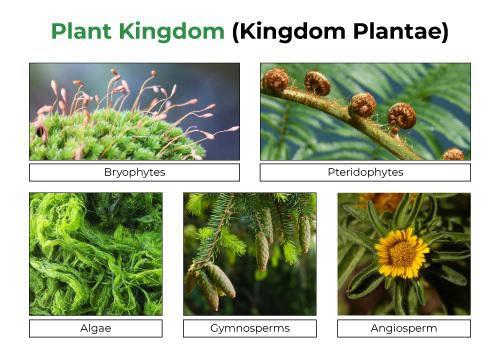
All eukaryotic organisms that contain chlorophyll, usually known as plants, are classified as Plantae. A few species, like parasites and plants that feed on insects, are partially heterotrophic. Insectivorous plants include bladderwort and Venus fly traps, and parasites like Cuscuta feed on them. The eukaryotic structure of plant cells has large chloroplasts and a cell wall comprised primarily of cellulose. Algae, bryophytes, pteridophytes, gymnosperms, and angiosperms are all part of the plant kingdom.
Alternation of Generation
The haploid gametophytic and the diploid sporophytic phases of a plant’s life cycle alternate with one another. Various plant families have different haploid and diploid phase lengths and whether they are independent or reliant on others.
Kingdom Animalia
They are multicellular and heterotrophic (show the holozoic mode of nutrition) eukaryotes. They lack cell walls. Almost, all the animals show locomotion. Sexual reproduction occurs by the fusion of male and female gametes which give rise to an embryo followed by repeated cell divisions.
Viruses, Viroids, Prions And Lichens
The differences between viruses, viroids and prions are given below:
| Viruses | Viroids | Prions |
| They are oblique intracellular agents | They are oblique intracellular agents | They are the abnormal form of a cellular protein |
| They have either DNA or RNA which is surrounded by a protein coat | They consist of only RNA. The protein coat is absent | They don’t possess DNA or RNA. Only protein coat is present |
Bacteriophage
Bacteriophages are also known as phages. These are the viruses which infect and replicate in the bacterial cells.

Tobacco Mosaic Virus
The tobacco mosaic virus (TMV) consists of single-stranded RNA. It infects tobacco plants and members of the family Solanaceae. The infection can cause some patterns like a mosaic, which shows mottling and discolouration on the surface of the leaves.

Lichens
The close association of fungus and algae form lichens. They are found in a pollution-free environment. Lichens are used in deodorant, pH papers, insense-sticks, toothpaste and perfumes. The fungal component is known as mycobiont and the algal component is known as phycobiont.
FAQs on Biological Classification
Q1: What are the Commercial Applications for Heterotrophic Bacteria and Archaea?
Answer:
Heterotrophic Bacteria: They help with nitrogen fixation, ammonification and nitrification. In addition, Rhizobium bacteria, they maintain soil fertility. Other members produce dairy products such as cheese and cottage cheese. Archaebacteria: Methanogens in animal feces produce biogas.
Q2: Write Some Plant like and Animal-like Features of Euglena.
Answer:
Plant-like features are:
- Euglena has plastids which help in photosynthesis
- Some of the species of euglena have carotenoid pigments, which give it red colour
Animal-like features are:
- Euglena doesn’t have a cell wall
- Flagella are present for locomotion
Q3: What Function Do Fungi Play in Our Daily Lives?
Answer:
Mushroom and yeast are the most useful fungi. Mushrooms are edible and are a good source of proteins. Yeast is used to make bread and cheese. Penicillium fungi is used to produce antibiotics.
Biological Classification
Biological classification is the scientific procedure of arranging organisms in a hierarchical series of groups and sub-groups on the basis of their similarities and dissimilarities.
Need of Classification
There
have been many attempts to classify living organisms since ancient
times. Aristotle was the earliest to attempt a scientific basis of
classification. He used simple morphological characters to classify
plants as trees, shrubs and herbs. He also classified animals into two
groups,
i.e„ enaima (with red blood) and anaima (without red blood). A need for proper system of classification was always felt.
Living organisms need to be classified because of the following reasons
(i) The study of one or two organisms is not sufficient to know the essential features of the group.
(ii) All kinds of organisms do not occur in one locality.
(iii) Classification helps in knowing the relationship among-est different groups of organisms.
(iv) It helps in knowing the evolutionary relationship between organisms.Types of Classification System
Depending upon the types of system of classification, organisms are classified into following kingdoms
1. Two Kingdom Classification System
Linnaeus (the father of taxonomy system) divided all the living organisms into two kingdoms in 1758.
These are Plantae and Animalia.
Features of Kingdom-Plantae
The characteristic features of this kingdom are
(a) Cell wall is present.
(b) A big central vacuole is present.
(c) Absorb inorganic nutrieiAs from outside.
(d) Unlimited growth and well defined growing points.
(e) Autotrophic mode of nutrition, reserve food is starch.
(f) No locomotion (except in some lower algae).
(g) Absence of excretory organs, nervous system, sense organs and muscular system.
(h) Slow response to external stimuli.
Features of Kingdom-Animalia
The characteristic features ofthis kingdom are
(a) Absence of cell wall.
(b) Inorganic crystals are not present in their cells.
(c) Central vacuole is not present.
(d) Heterotrophic mode of nutrition.
(e) Growth is limited and well defined growing points are not present.
(f) Reserve food as glycogen.
(g) Excretory organs, nervous system and sense organs are present.
(h) Locomotion is present.
(i) Muscular system is present.
(j) Show quick response to external stimuli.
Objections Against Two Kingdom Classification System
The
two kingdom system of classification was accepted for a long time.
However, some difficulties arised from this classification as several
new living organisms have been discovered.
Some of these difficulties are mentioned below
(a) The first formed organisms were neither plants nor animals.
(b) Fungi do not show similarity with structure, physiology and reproductive system of plants.
(c)
It is not easy to recognise the lower organisms as plants or animals.
For example, Euglena has mixotrophic (dual) mode of nutrition, while
sponges are fixed, branched and irregular creatures like plants.
(d)
Slime moulds, a group of fungi, are wall-less in vegetative phase. They
develop cell wall in the reproductive phase. Slime moulds can neither
be placed in fungi, nor plants.
(e) Lichens are formed by the symbiotic association of an alga and a fungus. They neither resemble plants nor animals.
(f)
Prokaryotes do not have an organised nucleus. They have single envelope
organisation, absence of spindle apparatus, meiosis and sexual
reproduction.
Eukaryotes have a well-defined nucleus, a double envelope organisation, spindle apparatus, meiosis and sexual reproduction.
On
the other hand, viruses have no protoplasm and metabolic machinery of
their own. Therefore, all of these cannot be kept in a single group.
(g) Unicellular algae like diatoms, euglenoids, dinoflagellates and Protozoa resemble each other.
2. Three Kingdom Classification System
Ernst
Haeckel in 1866, classified living organisms into three
kingdoms-Plantae, Protista and Animalia. The new kingdom-Protista
included all those organisms, which lack the capability of tissue
differentiation. These are algae, fungi and Protozoa. Later,
kingdom-Protista was reserved only for unicellular organism.
Limitations of Three Kingdom Classification System
Limitations of three kingdom classification are
(a) Prokaryotes and eukaryotes are not separated.
(b) Both unicellular and multicellular organisms are kept in Protista.
3. Four Kingdom Classification System
The four kingdom classification system included Monera in addition to Protista, Plantae and Animalia. Studies with electron microscope made it clear that bacteria and related organisms have a different nuclear structure as compared to others. They are* prokaryotes, thus kingdom-Monera was created by Copeland (1956). Fungi continued to remain with Plantae in this system.
4. Five Kingdom Classification System
This
classification was proposed by RH Whittaker, in 1969. Before 1969, the
classification systems for the living organisms have undergone several
changes overtime.
He created fungi, as separate kingdom.
The main criteria for classification used by Whittaker
(i) Cell structure (ii) Modes of nutrition
(iii) Thallus organisation (iv) Reproduction
(v) Phylogenetic relationships.
Merits of Five Kingdom Classification System
Merits of five kingdom classification system are
(a)
Euglena and other transition types which had been included both amongst
plants and animals are given proper place under kingdom—Protista.
(b)
Fungi have their own biochemical, physiological and structural
organisation. They have never been related to plants. In this system of
classification fungi are separately placed.
(c)
A separate kingdom of prokaryotes include Monera has been created.
Monerans differ from all other organisms in their cellular, reproductive
and physiological organisations.
(d)
The five kingdom classification system is based on cellular
organisation, the mode of nutrition and complexity of structure. These
were the basic factors used in earliest two kingdom system of
classification.
(e) The system shows the gradual evolution of early organisms into plants and animals.
(f) The plant and animal kingdoms are more homogenous than, they were in the two kingdom system of classification.
Demerits of Five Kingdom Classification System
Demerits of five kingdom classification system are
(a)
Animal protozoans have been included in kingdom—Protista, which also
includes unicellular plants. They show different modes of nutrition.
(b) Yeasts are though, unicellular eukaryotes, do not belong to kingdom—Protista.
(c) Chlorella and Chlamydomonas, though unicellular included under the kingdom-Plantae. They should be kept in Protista.
(d)
Euglena like organisms and slime moulds with flexible life style may
need the creation of an intermediate kingdom of Protista.
(e) Viruses and viroids are not kept in proper place in this system.
5. Six Kingdom Classification System
It
was introduced by Carl Woese a Professor in the Department of
Microbiology, University of Illinois in 1990. This system is also named
as three domain system as in it organisms are classified into three
domains, i.e., Archaea, Bacteria and Eukarya.
It
mainly used basic principles of five kingdom system but divides the
Monera into two domains Archaebacteria, Eubacteria and other eukaryotes
in third kingdom.
i. Archaea
Archaea
domain includes prokaryotic organisms. These are characterised by a
mono layer core of lipids in the cell membrane and distinct nucleotides
in their 16S RNA.
It contains a single kingdom called Archaebacteria. Kingdom-Archaebacteria
This
kingdom includes early prokaryotes, which live in extreme conditions of
the environment. These are methanogens, halophiles and
thermoacidophiles.
ii. Bacteria
The
bacteria domain consists of typical prokaryotes that lack membrane
covered cell organelles. These do not have microchambers for separating
various metabolic activities. It also has a single kingdom-Eubacteria.
Kingdom-Eubacteria
The members of this kingdom have peptidoglycan cell wall, naked DNA in coiled form, glycogen food reserves.
The
sap vacuole is not present and 70S ribosomes are present. The members
of this kingdom are bacteria, mycoplasma, Actinomycetes, rickettsiae,
spiro- chaetes, cyanobacteria, firmicutes.
iii. Eukarya
The
domain eukarya contains all the eukaryotes. These living forms are
originated by symbiotic association between some archaebacteria and
eubacteria.
The four kingdoms ofthis domain are
(a) Protista
(b) Fungi
(c) Plantae
(d) Animalia
Summary:
A Two Kingdom system of classification was developed during Linnaeus' time, with Plantae and Animalia kingdoms encompassing all plants and animals, respectively. This system grouped together eukaryotes and prokaryotes, unicellular and multicellular creatures, photosynthetic (green algae) and non-photosynthetic (fungi) species. Although classifying organisms into plants and animals was simple and straightforward, There were a lot of species that didn't fit into either group. As a result, the two-kingdom classification, which had been in use for a long time, was determined to be inadequate.
Five Kingdom Classification:
A Five Kingdom Classification was proposed by R.H. Whittaker in 1969. Monera, Protista, Fungi, Plantae, and Animalia were the kingdoms he defined. Cell structure, body organization, manner of nourishment, reproduction, and phylogenetic links are among his key classification criteria. The table compares and contrasts the five kingdoms' various qualities.
All
living organisms were later divided into two kingdoms by Linnaeus:
Plantae and Animalia. Whittaker proposed a five-kingdom classification:
Monera, Protista, Fungi, Plantae, and Animalia.
Table of contents
Five Kingdom Classification:
Kingdom Monera :
Kingdom Protista :
Kingdom Fungi :
Kingdom Plantae :
Kingdom Animalia :
Viruses, Viroids, Prions and Lichens:
Characters | Kingdoms | ||||
Monera | Protista | Fungi | Plantae | Animalia | |
Cell type | Prokaryotic | Eukaryotic | Eukaryotic | Eukaryotic | Eukaryotic |
Cell Wall and its component | Present, Peptidoglycan | Absent | Present, chitin | Present, cellulose | Absent |
Nuclear membrane | Absent | Present | Present | Present | Present |
Level of Organisation of the body | Unicellular | Unicellular | multicellular / loose tissue | Multicellular body differentiated into tissue / organ | Multicellular body is differentiated into a tissue / organ / organ system. |
Mode of nutrition | Autotrophic and heterotrophic | Autotrophic and heterotrophic | Heterotro-phic (Saprophy-tic or Parasitic) | Autotrophic (Exception: Cascuta shows parasitic nutrition) | Heterotro-phic |
2. Monerans and Protistans
As
we have already read in the previous about the topic most widely
accepted five kingdom classification given by Whittaker in general. Now,
we will study in details about the monerans and protistans before the
other three kingdoms. This is because, monerans are thought to have
given rise to the protistans from which the remaining three has been
evolved along the separate lines.
Kingdom Monera
The kingdom-Monera includes all prokaryotes such as bacteria, mycoplasma, Actinomycetes and cyanobacteria (blue-green algae).
The characteristic features of kingdomr-Monera are given below
(i) They are simplest or most primitive, unicellular prokaryotes.
(ii) The cell wall contains peptidoglycan or murein (no cellulose) and the membrane bound cell organelles are not present.
(iii) They have various types of nutrition like saprophytic, parasitic, chemoautotrophic, photoautotrophic and symbiotic.
(iv) DNA is naked. It lies inside the cytoplasm in coiled form. This is called nucleoid.
(v)
The flagella, if present are single-stranded instead of being 11
stranded as in eukaryotes. These contain a protein called flagellin.
(vi) Reproduction is by asexual method. Gametes are not present.
(vii) Mitotic spindle is absent.
(viii) Some of the monerans have the ability to fix-nitrogen into useful nitrates.
I. Bacteria
The
term Bacteria was proposed by Ehrenberg in 1829. They have widespread
distribution be it air, water or soil. They can survive in extreme range
of temperatures like up to 78°C and -190°C.
Important characteristics of bacteria are
(i) Bacteria are found in all kinds of habitats.
(ii) They are prokaryotic microorganisms.
(iii) They are unicellular.
(iv) Cell wall contains peptidoglycan.
(v) An organised nucleus in absent.
(vi) Extrachromosomal self replicating DNA segments called plasmids occur in most of the bacteria.
(vii) Mitochondria, plastids, Golgi apparatus,endoplasmic reticulum and other membrane covered cell organelles are absent.
Size
The size of bacterial cell ranges from 1-10 Jim in length and from 0.7-1.5 flm in width.
Shape
The bacteria possess the following forms
(i)
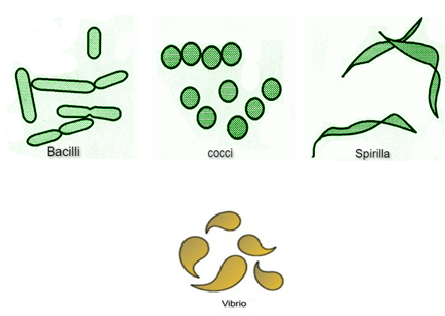
Coccus (PI. cocci) bacteria are oval or spherical cells without
flagella. The spheres occur as single cells (Monococcus), a pair of
cells (Diplococcus), in groups of four cells (Tetracoccus), as chain of
cells (Streptococcus) or in sheets (Staphylococcus).
A few cocci may also occur in cube-like arrangements of 8 or more cells (Sarcina).
(ii) Bacillus (PI. bacilli) bacteria are rod-shaped cells which many occur singly (Monobacillus), in pairs (Diplobacillus), in chains (Streptobacillus) or as a layer (suck) with many cells called Palisade bacillus.
(iii) Spirillum (PI. spirilla) bacteria are cells, which are twisted, like a screw. They occur as free single cells, e.g., Spirillum, Spirochaete, etc.
(iv) Vibrio are cells which are curved, C-shaped or comma-shaped, e.g., Vibrio cholerae.
Apart from these some other shapes of bacteria are also found
Note:
Bacteria were discovered by Anton von Leeuwenhoek (1632-1723). He observed bacteria in 1675.
Louis Pasteur laid the foundation of Bacteriology by developing culture techniques.
Structure
A
bacterial cell is covered by mucilage. It is differentiated into cell
wall, plasma membrane, cytoplasm, nucleoid, plasmids, inclusion bodies,
flagella, pilli and fimbriae. Membrane bound organelles are absent.
Details about the structure of bacteria (prokaryotes) will be studied later in chapter 8th of this book.
Nutrition
Bacteria show both autotrophic and heterotrophic mode of nutrition, i.e., mixotrophic.
On the basis of mode of nutrition, bacteria are of two types
i. Autotrophic Bacteria
These are of following two types
(a) Photosynthetic These bacteria have green – sunlight trapping pigment called bacterio chlorophyil.
These are found at the bottom of ponds and lotus. Bacterial photosynthesis does not release oxygen.
(b)
Chemosynthetic These bacteria are able to synthesise organic food from
inorganic raw materials with the help of energy derived from
•
exergonic chemical reactions. Examples Nitrifying bacteria
(Nitrosomonas), iron bacteria (Ferrobacillus ferroxidants), sulphur
oxidising bacteria (Beggiatoa).
ii. Heterotrophic Bacteria
These bacteria obtain food from different sources. These may be of following types
(a)
Saprophytes These are called decomposers, detrivores or transformers.
These obtain food by decomposing dead-bodies, excreta of animals, dead
plants and their parts.
(b)
Parasites These are disease causing bacteria called as pathogens, e.g.,
Salmonelb typhimurium, which causes typhoid in human.
(c)
Symbionts These bacteria live in mutually beneficial association with
other organisms, e.g., Rhizobium and Bacillus, species form nodules in
root of leguminous plants.
Reproduction
Bacteria reproduce by asexual and sexual (parasexual) processes.
i. Asexual Reproduction
Asexual reproduction occur by binary fission and endospore formation.
(а)
Binary Fission It is a simple cell division in which bacterial cell
divides in two parts. A constriction appears at the centre of the cell,
deepens further and grows from margin to centre and finally two cells
are produced.
(b)
Endospore Formation Endospores are perennial structures which help in
survival even during harsh environmental conditions, e.g., in Cbstridium
and Bacillus. The endospore has many wall layers. It has heat resistant
chemicals called sialic acid and dipicolinic acid.
ii. Sexual Reproduction
Sexual reproduction occurs by a parasexual process actually called genetic recombination.
The three methods involved are as follows
(a)
Conjugation The male cell (donor cells) has fertility plasmid or
F-factor, which connect itself to cell wall of female cells (receipient
cells).
(b)
Transformation The process was discovered by Griffith in 1928. It is a
process where segments of DNA are transferred from one bacterial cell to
another via the liquid medium.
(c)
Transduction During this process, the segment of DNA are transferred
from one bacterium to another by the viruses (bacteriophages).
Uses of Bacteria
Bacteria is useful in the following ways
(i) Bacteria are natural scavangers. They obtain their nutrition by decomposing dead bodies, dead plants and animal excreta.
(ii) These are used in the fermentation process for vinegar manufacturing, yogurt making, etc.
(iii)
Some bacteria help in retting of jute and coconut plant fibres. The
separated fibres are used in making ropes or gunny bags.
(iv) The genus Streptomyces has many species used to produce different antibiotics.
Some important antibiotics using various bacteria are neomycin, … omycetin, streptomycin, gramicidin, bacitracin.
(v)
Bacteria play important role in different steps of nitrogen cycle. Some
important bacteria in nitrogen cycle, e.g, Clostridium, Azotobacter
(soil bacteria), Rhizobium leguminosarum, Bacillus radicicola (in
nodules), Nitrosomonas, Nitrosobacter, Pseudomonas etc.
Harmful Effects of Bacteria
Bacteria is harmful in the following ways
(i) Some saprophytic bacteria like Lactobacillus spoil milk and milk products.
(ii)
Food poisoning occurs due to the production of toxins by some bacteria
like Clostridium botulinum. They cause botulism, which can kill humans
by respiratory paralysis.
(iii)
Bacteria are responsible for various plant diseases like citrus canker
in lemon leaves and fruits, soft rot in carrot plants, blight disease in
rice plants, crown gall disease in apple trees and rose plants.
(iv)
In humans, bacteria cause diseases like cholera (Vibrio cholerae),
gastric ulcer (Heliobacter pylori), tuberculosis (Mycobacterium
tuberculosis), sexually transmitted diseases like
gonorrhoea(Neisseriagonorfhoeae), syphilis (Treponema pallidum), etc.
(v) In animals like horse, cattle and sheep, anthrax disease is caused by Anthracis.
II. Archaebacteria
Archaebacteria
(Archae-ancient; bacteria) are special since, they live in some of the
most harsh habitats such as extreme salty areas (halophiles), hot
springs (thermoacidophiles) and marshy areas (methanogens).
The characteristics of this domain are
(i) They are most primitive prokaryotes.
(ii)
They are found in stressed environment, such as high salt content
(Great salt lake, the dead sea), edge of the ocean, hot sulphur springs,
volcanic walls, etc.
(iii)
Their cell walls lack peptidoglycan. In most cases, the wall composed
of non-cellulosic polysaccharides and some proteins. In some members,
there is no cell wall. This feature of having different cell walls is
responsible for their survival in extreme condition.
(iv) Most of the archaebacteria are chemoautotrophs.
Types of Archaebacteria
Archaebacteria are of following three types
i. Methanogens
These
are stricdy anaerobes. They live anaerobically in gut of several
ruminants such as cows, buffaloes, goat, etc. These bacteria help in
fermentation of cellulose. They produce almost 65% of atmospheric
methane.
Example Methanobacterium, Methanobacillus, Methanosarcina and Methanococcus.
ii. Halophiles
These
are found in extreme saline environments like salt lakes, • salt
marshes, salt pans, salt solutions, etc. They are mosdy anaerobes. They
contain a chemical called halorhodopsin to pump in chlorides into the
cell to prevent cellular dehydration. Halobacterium develops purple
membrane having photoreceptor pigment bacteriorhodopsin. In light, it
acts as a proton pump and helps in synthesise of ATP. The formation of
ATP is a survival mechanism under anaerobic condition. Examples
Halobacterium and Halococcus.
iii. Thermoacidophiles
These
archaebacteria can live in both extreme heat and acidic pH (around 2)
environment. Under anaerobic conditions, these organisms oxidise sulphur
to sulphuric acid.
2S + 2H2O + 3O2 → 2H2SO4 + Energy
Thermoacidophiles can survive in high temperature and low pH conditions because of
(a) Special branched chain lipids in cell membranes that reduce cell fluidity.
(b) Enzymes can work at low pH.
(c) Enzymes are resistant to high temperature coagulation. Examples Sulfobolus, Thermoplasma and Thermoproteus.
Importance of Archaebacteria
Archaebacteria can live in extreme environments, so they are useful in
(i) Modern biotechnology
(ii) Generation of biogas
(iii) Thermophilic enzymes
(iv) Biosensors
(v) Restriction enzymes, etc.
Differences between Eubacteria and Archaebacteria
III. Eubacteria
They are called ‘true bacteria’ and are characterised by the presence of a rigid cell walls, and if motile, have flagellum.
Cyanobacteria
Cyanobacteria,
member of this group (blue-green algae) have many characters similar to
bacteria. The examples of cyanobacteria are Nostoc, Oscillatoria,
Spirulina, Rivularia, Anabaena, etc. They can survive in a wide variety
of habitats, such as hot springs, sea water, polluted water, etc.
Cyanobacteria have following three forms
(i) Unicellular as in Chrococcus.
(ii) Colonial as in Microcystis and Gloeocapsa.
(iii) Filamentous as in Nostoc, Oscillatoria and Anabaena.
Cell Structure
Cell
has a definite firm and rigid cell wall surrounded by mucilaginous
sheath. The cell wall is followed by plasma membrane made up of lipid
and proteins. The membrane bound structures like true mitochondria,
endoplasmic reticulum, Golgi bodies, etc., are absent.
The
photosynthetic pigment present in the cell are chlorophyll, carotene,
myxoxanthophyll, myxoxan- thin, etc. The nucleolus is absent and the
nucleoid is not bound by nuclear membrane.
Some
cyanobacteria (Nostoc, Anabaena, Scytonema, etc.) possess special type
of cells called heterocysts to perform special functions. Heterocysts
are the sites of nitrogen fixation.
Nutrition
Cyanobacteria are mostly photoautotrophs. They contain chlorophyll-a and other photosynthetic pigments.
Reproduction
Cyanobacteria multiply asexually and vegetatively. Sexual reproduction does not occur.
The types of multiplication are
(i) Binary fission occurs in unicellular forms.
(ii) Fragmentation occurs in colonial and filamentous forms.
(iii) Conidia are asexually produced spores of fungi.
(iv) Endospores and exospores are non-reproductive structures.
Differences between Bacteria and Cyanobacteria
Uses of Cyanobacteria
Some uses of cyanobacteria are
(i)
Some cyanobacteria have the ability to fix atmospheric nitrogen. The
green manuring by farmers is done on this basis to enrich the soil with
nitrogenous fertilisers.
(ii) Cyanobacteria like Anabaena, Tolypothrix, etc., help in prevention of soil erosion and its conservation.
(iii)
Spirulina is a protein rich supplement for humans. It is a fast growing
cyanobacteria. It is also known as Single Cell Protein (SCP).
(iv) Cyanobacteria like Anabaena and Aulosira prevent mosquito larvae to grow in surroundings.
Harmful Effects of Cyanobacteria
Some harmful effects of cyanobacteria are
(i) Cyanobacteria discolour the walls and roofs of buildings, movements and statues.
(ii) Oscillatoria causes asthma and gastrointestinal problems by releasing its toxins.
(iii) Growth of Oscillatoria in water bodies shows pollution by organic matter.
(iv)
Excessive growth of cyanobacteria form water blooms, which decreases
oxygen level in water causing death of aquatic animals.
IV. Mycoplasma
Mycoplasma are organisms that completely lack a cell wall.
They
were discovered by Roux (1898) in pleural fluid of cattle suffering
from pleuropneumonia. The organisms are often called MLOs (Mycoplasma
Like Organisms) or PPLOs (Pleuropneumonia Like Organisms).
The characteristic features of mycoplasma are
(i) Their size ranges from 0.1-0.5 pm and have organised nucleus, plastids, mitochondria and other organelles are absent.
(ii) DNA is naked (because of absence of histones) and ribosomes (of 70S type).
(iii)
Mycoplasma possess heterotrophic nutrition. Examples Mycoplasma
gallisepticum, M. laidlawii. They cause pleuropneumonia in domestic
animals, mycoplasmal urethritis in humans.
Brief Summary
Kingdom Monera :
The Monera Kingdom is entirely made up of bacteria. They are the most common microorganisms on the planet. Bacteria can be found practically anywhere. Hundreds of bacteria can be found in a single handful of soil. They also exist in harsh environments like hot springs, deserts, snow, and deep oceans, where only a few other species can survive. As parasites, many of them live in or on other species.
The spherical Coccus (pl.: cocci), the rod-shaped Bacillus (pl.: bacilli), the comma-shaped Vibrium (pl.: vibrio), and the spiral Spirillum (pl.: spirilla) are the four types of bacteria classified by their shape.
Although bacteria have a simple structure, their behaviour is extremely sophisticated. Bacteria, in comparison to many other creatures, have the greatest metabolic diversity. Some bacteria are autotrophic, meaning they make their nourishment from inorganic sources.
Different shapes of bacteria
Biological Classification :
Archaebacteria: These bacteria are unique in that they survive in extremely salty environments (halophiles), hot springs (thermoacidophiles), and marshy environments (methanogens).
Archaebacteria vary from other bacteria in that they have a unique cell wall construction that allows them to survive in harsh environments.
Methanogens are bacteria that live in the guts of ruminant animals like cows and buffaloes and are responsible for the creation of methane (biogas) from their faeces.
Biological Classification :
Eubacteria: “True bacteria” is a term used to describe these organisms. They have a peptidoglycan cell wall. They come in both autotrophic and heterotrophic forms. Autotrophs are photosynthetic or chemosynthetic. Chlorobium (bacteria that produce green sulphur) and Sulphur, chromium, or chemosynthetic bacteria.
Kingdom- Protista
Kingdom—Protista includes all single-celled eukaryotes but, the boundries of this kingdom are not well defined. It was first proposed by Ernst Haeckel (1866). Physiologically kingdom-Protista acts as a connecting link between the kingdom-Monera and the complex multicellular kingdom-Fungi, Plantae and Animalia. Kingdom-protista includes the following categories such as dinoflagellates, chrysophytes, euglenoids, slime moulds and protozoans.
The general characteristic features of kingdom-Protista are given below
(i) These are mostly aquatic organisms. Some protists also live in the bodies of animals as parasites.
(ii)
The cells are eukaryotic. These contain membrane bound cell organelles
like mitochondria, Golgi complex, endoplasmic reticulum, 80S ribosomes,
etc.
(iii) Locomotion may either occur by Pseudopodia (Amoeba, Euglypha), Cilia (Parameciuni),
Wriggling (sporozoans, non-flagellates) and Mucilage propulsion (some protists like diatoms).
Diatoms do not have any organelles for locomotion.
(iv) Protists shows various modes of nutrition such as
(a) Photosynthetic (holophytic) Dinoflagella- tes, diatoms and euglenoids.
(b) Halozoic (zootrophic) Protozoans like Amoeba and Paramecium.
(c) Saprobic (saprotrophic) In slime moulds.
(d) Parasitic Trypanosoma, Giardia, Plasmodium, Entamoeba.
(e) Mixotrophic InEuglena.
(f) Symbiotic In zooflagellates like Trichonympha and Lophomonas.
(g) Pinocytosis In Amoeba to absorb soluble organic substances.
(v)
Most of the protists are aerobic. However, some protists that live at
the bottom of aquatic habitats can respire anaerobically.
(vi) Protists reproduce asexually and sexually by a process involving cell fusion and zygote formation.
Protista Kingdom and its Phylum
The major groups of Protista are
(а) Protistan algae (photosynthetic protists)
(b) Slime moulds (consumer-decomposer protists).
(c) Protozoan protists.
Photosynthetic Protists
These chrysophytes form the main part of phytoplankton. These include chrysophytes, dinoflagellates and euglenoids.
1. Chrysophytes
This group includes diatoms and golden algae (desmids).
i. Diatoms
(a) Diatoms occur in all aquatic and moist terrestrial habitats and are also known as chief producer in the ocean.
(b) They pile up at the bottom of water reservoirs and form big heaps called diatomaceous earth.
(c) They are microscopic unicellular organisms of
different shapes, such as circles, semicircles, triangular, spindle-shaped, boat-shaped, etc.
(d)
The body wall of the diatoms is made up of cellulose impregnated with
glass like silica. The cell wall has two overlapping halves like a
sapbox called shell or ffustule, i.e., a lid and a lower half fitted
together.
(e) Diatoms are variously coloured, do not passess flagella except in the reproductive state.
(f) Each cell has a large central vacuole.
(g)
Chloroplast are yellowish brown to greenish brown. They contain
chlorophyll-^ and c. They contain fucoxanthin that provides brownish
ting.
(h) Food is reserved in the form of oils and leucosin (polysaccharide).
(i)
The diatoms mostly reproduce asexually by binary fission. Sexual
reproduction varies from isogamy to oogamy. Examples Navicula,
Amphipleura , Triceratium and Cymbella.
Economic Importance of Diatoms
* Diatoms are economically important in the following ways –
* Diatoms are very important photosynthesizers.
* Diatomite deposits are often accompanied by petroleum fields.
* These are used as a cleaning agent in tooth pastes and metal polishes and are used in filtration of oil and syrups.
* Diatoms are used as insulation material in refrigerators boilers and furnaces. These are also used to make sound-proof rooms.
* Diatoms are also very good pollution indicators.
ii. Golden Algae (Desmids)
These
are unicellular green algae. Their cell walls have distinct halves.
Sexual reproduction occurs by ‘conjugation’ (similar to Spirogyra). They
are usually found in freshwater and acts as an indicators of polluted
water.
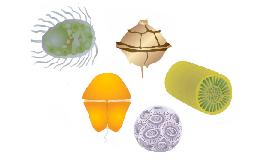
2. Dinoflagellates
These are mainly marine and photosynthetic organism. There are about 1,000 species of photosynthetic protists.
The general characteristic features of dinoflagellates are listed below
(i) These are important phytoplanktons. Most of them are marine but some occur in freshwater.
(ii) They appear yellow, green, brown, blue or red depending on the main pigments present in their cells.
(iii) The cell wall in dinoflagellates, if present is composed of number of plates made up of cellulose.
Some dinoflagellates like Gonyautax and Gymnodinium grow in large number in sea and make the water look red and form ‘red tide’.
Toxins released by such large numbers may even kill other aquatic animals.
(iv) The cells usually possess two flagella which are of different types (heterokont). One flagellum is transverse arising from the anterior part. The other flagellum arises in the vertical furrow. Both these flagella beat in different directions.
(v) The nucleus is bigger in size, named as mesokaryon. Chromosomes do not have histone and RNA.
(vi) The cells possess an osmoregulatory organelle called pusule, which superficially looks like contractile vacuole.
(vii) Dinoflagellates reproduce asexually through cell division or by the formation of zoospores and cysts.
(viii) Varieties of eye spots’ occur in dinoflagellates. Some of them are like ocelli.
(ix)
Reserve food is stored in the form of starch and oils, e.g., Gonyaulax,
Ceratium, Noctiluca, Peridinium and Gymnodinium, etc.
3. Euglenoids
Euglenoids live in fresh aquatic habitats and damp soils.
The characteristic features of euglenoids are described below
(i) They are unicellular flagellate protists.
(ii) Body is covered by thin and flexible pellicle. It lacks ceflulosic cell wall.
(iii) Euglenoids have two flagella, usually one long and one short.
(iv) They perform creeping movements by expansion and contraction of their body. This phenomenon is called metaboly.
(v) Nutrition is holophytic, saprobic or holozoic. This mode of nutrition is called mixotrophic.
(vi) The photosynthetic pigments include chlorophyll-^ and b.
(vii) Reserve food is carbohydrate in the form of paramylon
or paramylum bodies.
(viii)
Euglenoids reproduce by longitudinal binary fission under favourable
conditions. The palmella stage is found during unfavourable conditions.
Examples Euglena, Perenema, Eutreptia, Phacus, etc.
Euglena is considered as plant as well as animal. It is also called as plant animal.
Plant and animal features are * Plant Features Chloroplasts and chlorophyll are present has holophytic nutrition.
*
Animal Features Presence of pellicle which is not made of cellulose.
Contractile vacuole is present. Longitudinal binary fission.
Note:
* Euglenozoa is a diverse clade that includes predatory heterotrophs, photosynthetic autotrophs and pathogenic parasites.
*
The main feature that distinguishes protists in this clade is the
presence of a spiral or crystalline rod of unknown function inside the
flagella.
Consumer-Decomposer Protists (Slime Moulds)
They possess the characters of both animals and fungi.
Slime Moulds
Slime
moulds are saprophytic protists. Anton De Bary (1887) related them to
animals and called them as Mycetozoa. These are also named as fungus
animals because they share the common characters of both animals and are
known as protistian jungi, and due to their protistian nature.
The
generalfeatures of slime moulds are discussed here (t) Slime moulds are
acellular and cellular types, about 600 species of slime moulds are
reported by biologists out of which 27 species are known from India.
(ii) They are found in moist terrestrial places rich in decaying organic food.
(iii) The body of slime moulds is covered with mucilage having gelatinous consistency, they do not have chlorophyll.
(iv) They are surrounded by plasma membrane. However, the spores have the ceflulosic cell walls.
(v) They show phagotropic or saprotrophic nutrition.
(vi) Both sexual and asexual modes of reproduction occur.
(vii) They are like Protozoa in their amoeboid plasmodial stage and similar to true fungi in spore formation.
(viii)
Acellular slime moulds (plasmodial slime moulds) are commonly found on
dead and decaying plant matter. The cellular slime moulds occur in all
humus-containing upper layer of damp soil. When the food supply is
shorter or conditions are not favourable, the amoeboid cells form
aggregate without any fusion.
This aggregated mass is called pseudoplasmodium. The examples of cellular slime moulds are dictyostelium and polysphondylium.
(ix) Plasmodium is the free-living thalloid body of the acellular slime moulds. It is wall-less mass of multinucleate protoplasm covered by slime layer. During unfavourable conditions, the Plasmodium differentiates and forms fruiting bodies bearing spores at their tips. WTiile during favourable conditions, Plasmodium can spread over several feet.
(x) Slime moulds are beneficial as they cause the decomposition of organic matter in the soil.
Protozoan Protists
Include unicellular protists with animal like behaviour.
They were first studied by Leeuwenhoek (1677).
Protozoan protists may be aquatic, terrestrial or parasites.
They can cause several diseases in humans and animals.
General characteristics of protozoans are described below
(i) They are microscopic small unicellular and colourless organism with different shapes.
(ii) Locomotion occurs with the help of finger-like pseudopodia, flagella or hairy cilia.
(iii) All protozoans are heterotrophs and live as predators or parasites.
(iv) Respiration occurs through the general surface of the body.
(v) Reproduction occurs by binary fission, multiple fission or budding. Sexual reproduction occurs by syngamy and conjugation.
There are four major groups of protozoans
1. Amoeboid Protozoans
These organisms live in freshwater, seawater or moist soil.
Examples Amoeba, Entamoeba, Radiolarians, Pelomyxa, Foraminiferans and Heliozoans.
General features of this group are following
(i) They move and capture their prey by putting out pseudopodia (false feet) as in Amoeba (as mouth is absent).
(ii) The body is without periplast. It may be naked or have a calcareous shell.
(iii) Flagella are present in some developmental stages. They also develop when food become scarce.
(iv) Nutrition is holozoic.
(v)
Asexual reproduction occurs by binary fission, multiple fission, spores
and budding and sexual reproduction occurs by syngamy.
2. Flagellated Protozoans
The
members of this group are either free-living or parasitic. Examples
Giardia, Trypanosoma, Leishmania, Trichonympha and Trichomonas.
General features of this group are following
(i) They have flagella for locomotion as their name suggests.
(ii) They may be aquatic, free-living, parasitic, commensals or symbiotic.
(iii) The body is enclosed by a firm pellicle.
(iv) Nutrition is holozoic, saprobic and parasitic.
(v) Asexual reproduction is by binary fission.
(vi) Sexual reproduction is observed in some forms only.
(vii) Various species of these protozoans causes diseases in humans. For examples,
* Trypanosoma (sleeping sickness)
* Leishmania (kala-azar, dum-dum fever)
* Giardia (giardiasis)
* Trichomonas (leucorrhoea).
3. Ciliated Protozoans
These are aquatic, actively moving organisms because of the presence of thousands of cilia.
Examples Paramecium, Opalina, Vorticella, Podophyra, Balantidium, etc.
Generalfeatures of this group are following
(i) Many ciliates live as free-living individual in fresh % and marine water (Paramecium).
(ii) A large number of cilia present on whole body surface.Cilia are used to capture food and for locomotion.
(iii) Nutrition is holozoic except in some parasitic forms.
(iv) The body is covered with flexible pellicle.
(v) There are definite regions for ingestion and egestion.
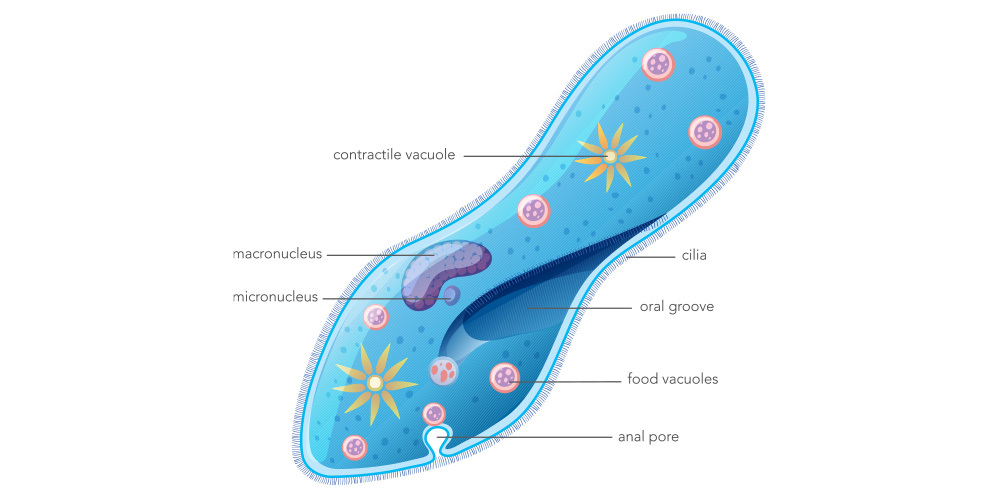
(vi) Ciliates have a larger macronucleus and smaller micronudeus.
(vii) They have small ejectable trichocysts for defense.
(viii) Osmoregulation occurs by contractile vacuoles.
(ix)
Asexual reproduction occurs by transverse binary fission or budding.
Cyst formation also occurs during unfavourable condition.
(x) Sexual reproduction by means of conjugation.
Sporozoan Protozoans
This group includes organisms that have an infections spore-like stage in their life cycle.
Examples Plasmodium, Monocystis, Eimeria.
General features of this group are following
(i) All sporozoans are endoparasites and pathogenic.
(ii) Locomotory organs are absent.
(iii) Nutrition is parasitic (absorptive).
(iv) Body is covered with an elastic pellicle or cuticle and contractile vacuoles are absent.
(v) A sexual reproduction occurs through multiple fission and sexual reproduction by syngamy.
(vi)
Life cycle may include two different hosts, e.g., Plasmodium requires
two hosts (digenetic), female Anopheles mosquito and human beings. It is
responsible for causing malaria, in humans.
Brief Summary
Biological Classification :
Kingdom Protista :
Protista includes all single-celled eukaryotes, but the kingdom's boundaries aren't well defined. To one biologist, a photosynthetic protist is a plant, while to another, it is a plant. Chrysophytes, Dinoflagellates, Euglenoids, Slime Moulds, and Protozoans are all classified as Protista in this book. Protista is primarily an aquatic phylum.
This kingdom is linked to the kingdoms of plants, animals, and fungi.
Biological Classification :
Chrysophytes: Diatoms and golden algae are members of this group (desmids). They can be found both in freshwater and in the ocean. They are microscopic and float passively in water currents (plankton). They are mostly photosynthetic. The cell walls of diatoms form two thin overlapping shells.
Dinoflagellates: They are photosynthesis microorganisms that live in the sea. They assist marine plants in photosynthesis. Gonyaulax, a red dinoflagellate, is one type of dinoflagellate that reproduces rapidly and forms red tides.
Dinoflagellates
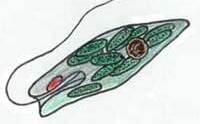
Euglenoids: The majority are freshwater creatures that live in stagnant water. They contain a protein-rich layer called a pellicle instead of a cell wall, which allows them to bend their bodies.
They have two flagella, one that is short and the other that is long. When they are exposed to sunlight, they are photosynthetic, but when they are not, they behave like heterotrophs, predating on other smaller species. Euglenoids have pigments that are nearly identical to those found in higher plants.
Euglenoid
Slime Moulds: Slime moulds are protists that feed on their surroundings. The organism eats organic matter as it glides along rotting twigs and leaves. They develop a plasmodium aggregation under the right conditions, which can grow and spread over many feet. The plasmodium develops and generates fruiting bodies with spores at their tips in unfavorable conditions. True walls exist within the spores. They are highly hardy and may live for many years in harsh environments.
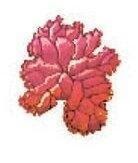
Slime Mould
Protozoans: Protozoans are all heterotrophic, meaning they exist as predators or parasites. Animal relatives are thought to be their ancestors. Protozoans are divided into four categories.
Amoeboid protozoans: Freshwater, seawater, and moist soil are all suitable habitats for these organisms. They move and capture their prey in the same way that Amoeba does. The surface of marine animals is covered with silica shells. Entamoeba, for example, is a parasitic worm.
Flagellated protozoans: This group's members are either free-living or parasitic. They have flagella on their bodies. Trypanosoma is a good example.
Ciliated Protozoans: Due to the presence of thousands of cilia, these organisms are aquatic and actively moving. On the cell surface, they feature a cavity (gullet) that opens to the outside. Paramoecium is a good example shown in the figure below.
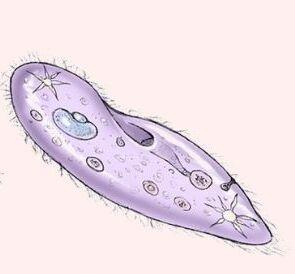
Paramoecium
Sporozoans: This comprises a wide range of species with a spore-like stage in their life cycle. Plasmodium (malarial parasite), which causes malaria, is the most well-known.
Biological Classification :
Kingdom Fungi :
Fungi are a distinct kingdom of heterotrophic creatures. They have a wide range of forms and environments. Fungi are seen on moist bread and rotten fruits. The common mushroom for eating and toadstools are also fungi. Fungi's cell walls are made up of chitin and carbohydrates. Saprophytes are fungi that are heterotrophic and absorb soluble organic materials from dead substrates. Parasites are organisms that rely on live plants and animals for their survival. They can also exist as symbionts, forming lichens with algae and mycorrhizae with higher plant roots.
Fungi reproduce asexually through vegetative mechanisms like as fragmentation, fission, buddy, or the formation of conidia/sporangia spores/ zoospores. Oospores, ascospores, and basidiospores are used in sexual reproduction.
Sub Topic 4.1:
Classification of Fungi:
On the basis of the mycelium mode of spore generation and fruiting bodies, fungi are categorized into distinct classes.
Phycomycetes: Phycomycetes can be found in aquatic habitats, on decaying wood in moist and damp environments, and as obligate parasites on plants. The mycelium is coenocytic and aseptate. Asexual reproduction occurs via zoospores (motile) or aplanospores (asexual) (non-motile). Mucor is a common example. They produce sex organs i.e., microspores and megaspores inside respective sporangium but do not have any distinct fruit bodies.
Ascomycetes: The ascomycetes, also known as sac-fungi, are mostly multicellular (e.g., Penicillium) or rarely unicellular (e.g., Saccharomyces). Saprophytic, decomposers, parasitic, or coprophilous (growing on dung), they are all types of organisms. The spores are called ascospores and are produced endogenously in asci (singular ascus)
Basidiomycetes: Mushrooms, bracket fungi, and puffballs are examples of basidiomycetes. Rust fungi and smut fungi, for example, are parasites in living plant bodies. The mycelium is septate and branched. They produce basidiospores within specific fruit bodies basidium.
Deuteromycetes: They are commonly referred to as imperfect fungi because only the vegetative or asexual phases of these fungi are known. They were placed in the appropriate classes when the sexual forms of these fungi were discovered. Mycelium is branched and septate. Alternaria, Colletotrichum, and Trichoderma are some examples.
Biological Classification :
Kingdom Plantae :
Plantae refers to all eukaryotic chlorophyll-containing organisms that are commonly referred to as plants. A few members, such as insectivorous plants and parasites, are partially heterotrophic. Insectivorous plants such as bladderwort and Venus fly trap exist, and Cuscuta is a parasite. Plant cells are eukaryotic in nature, with prominent chloroplasts and a cellulose-based cell wall.
Plants have two distinct phases in their life cycle: diploid sporophytic and haploid gametophytic, which alternate.
Biological Classification :
Kingdom Animalia :
This kingdom is made up of heterotrophic eukaryotic organisms that are multicellular and lack cell walls. They rely on plants for food, either directly or indirectly. Food is digested in an internal cavity, and food reserves are stored as glycogen or fat. Their mode of nutrition is holozoic, which means they eat. They have a definitive growth pattern and mature into adults with distinct shapes and sizes. They reproduce through sexual means.
Biological Classification :
Viruses, Viroids, Prions and Lichens:
Viruses: Viruses are non-cellular organisms with an inert crystalline structure that exists outside of the living cell. Outside the living cell, they form a thin loose covering, but they can multiply inside the host cell. They replicate themselves by taking over the host's body.
They have viral genetic material called DNA or RNA, which allows them to grow and multiply inside the host cell. It causes diseases in humans such as AIDS, mumps, smallpox, herpes, and influenza. It causes leaf curling and rolling in plants, as well as yellowing and clearing dwarfing and stunted growth.
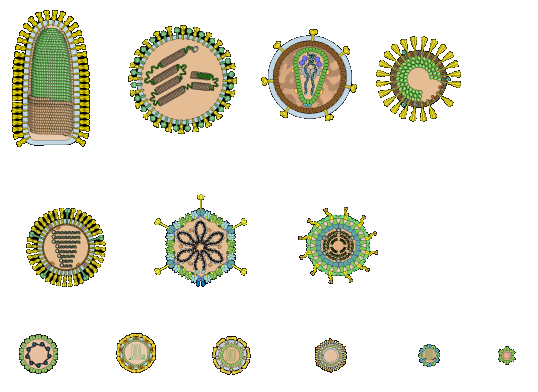
Different shapes and sizes of viruses
Viroids: T.O. Diener discovered a new infectious agent that caused potato spindle tuber disease in 1971. It was smaller than viruses. It was discovered to be a free RNA that lacked the protein coat that viruses have, thus the name viroid. The viroid's RNA had low molecular weight.
Prions: Certain infectious neurological diseases have been discovered to be transmitted by an agent made up of abnormally folded protein in modern medicine. The agent was about the same size as viruses. Prions were the name given to these agents. The most well-known prion diseases are bovine spongiform encephalopathy (BSE), also known as mad cow disease in cattle, and its human counterpart Cr–Jacob disease (CJD).
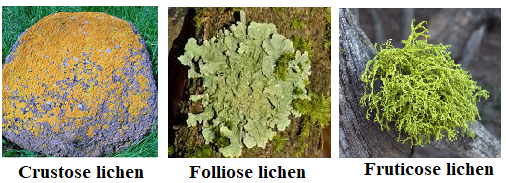
Lichens: Lichens are symbiotic, or mutually beneficial, relationships between algae and fungi. The algae component is referred to as phycobiont, whereas the fungal component is referred to as mycobiont. Autotrophic and heterotrophic organisms, respectively. For algae, fungi provide accommodation as well as mineral nutrients and water. whereas algae provide food for fungi.
Need of Classification
Monerans and Protistans
Nutrition
Archaebacteria
Kingdom-Protista
Protozoan Protists
All living organisms were later divided into two kingdoms by Linnaeus: Plantae and Animalia. Whittaker proposed a five-kingdom classification: Monera, Protista, Fungi, Plantae, and Animalia.
Question: How will biology chapter 2 notes benefit students?
Answer:
Subject experts have created class 11th biology chapter 2 notes that will give you further information on the subject. You can reinforce your foundation with these class 11 chapter 2 notes. The segment delves into every aspect of biological classification.
Question: Explain the characteristics of Euglenoids.
Answer:
According to Biological classification class 11 notes, the majority of Euglenoids are freshwater creatures that live in stagnant water. They contain a protein-rich layer called a pellicle instead of a cell wall, which allows them to bend their bodies.
They have two flagella, one that is short and the other that is long. When they are exposed to sunlight, they are photosynthetic, but when they are not, they behave like heterotrophs, predating on other smaller species. Euglenoids have pigments that are nearly identical to those found in higher plants
Question: What are protozoans and how are they classified?
Answer:
According to Biological classification class 11 notes, Protozoans are all heterotrophic, meaning they exist as predators or parasites. Animal relatives are thought to be their ancestors.
Protozoans are divided into four categories.
Amoeboid protozoans: Freshwater, seawater, and moist soil are all suitable habitats for these organisms. As in Amoeba, they move and seize their prey by putting out pseudopodia (false feet).
Flagellated protozoans: This group's members are either free-living or parasitic. They have flagella on their bodies. Trypanosoma is a good example.
Ciliated Protozoans: Due to the presence of thousands of cilia, these organisms are aquatic and actively moving. On the cell surface, they feature a cavity (gullet) that opens to the outside.
Sporozoans: This comprises a wide range of species with a spore-like stage in their life cycle. The most well-known is Plasmodium (malarial parasite), which causes malaria. Malaria is a disease that has a severe effect on people's lives.
Question: What are the advantages of the Five Kingdoms classification over the two-kingdom classification?
Answer:
In accordance with Biological classification class 11 notes, Two Kingdom Classification did not fit a large number of organisms. As a result, the two-kingdom classification, which had been in use for a long time, was found to be inadequate. Cell structure, body structure (unicellular or multicellular), nutrition, and lifestyle are used to classify the five kingdoms. As a result, it is more useful than the two-kingdom classification system.
Question: How important is class 11 chapter 2 for NEET?
Answer:
Biological classification is one of the most important topics in NEET EXAM. You will face many questions related to biological classification. NCERT Biology Chapter 2 for Class 11 notes are very important in biology and in order to get good results in exams, you must have proper and in-depth knowledge and understanding of the concept.
Question: What are viruses and viroids?
Answer:
Class 11th biology chapter 2 notes describe viruses and viroids as follows.
Viruses are non-cellular organisms with an inert crystalline structure that exists outside of the living cell. Outside the living cell, they form a thin loose covering, but they can multiply inside the host cell. They replicate themselves by taking over the host's body.
T.O. Diener discovered a new infectious agent that caused potato spindle tuber disease in 1971. It was smaller than viruses. It was discovered to be a free RNA that lacked the protein coat that viruses have, thus the name viroid. The viroid's RNA had a low molecular weight
A virus has DNA or RNA as its genetic material and a protein coat, whereas viroids have RNA as its genetic material but no protein coat.
Protozoans – Structure, Classification, Characteristics, Examples
A two-kingdom classification system, the Plantae and Animalia kingdoms, was created during Linnaeus’ time and comprised all plants and animals, respectively. This system was unable to differentiate between the prokaryotes and eukaryotes, the single-celled and multiple-celled organisms both non-photosynthetic (such as green algae) and photosynthetic (fungi) organisms. It was simple to divide organisms into plants and animals. done and was simple to comprehend, yet there were numerous organisms. neither of the two categories. Hence the division into two kingdoms. the long-used system was proven to be insufficient. Additionally, gross morphology.
It was also considered that additional properties, such as cell structure, the type of wall, the habitat, the mechanisms of reproduction, relationships in evolution, etc. systems of classification for living things, Consequently, organisms have changed significantly over time. In 1969, R.H. Whittaker proposed a classification of five kingdoms. He designated five kingdoms: Monera, Protista, Fungi, Plantae, and Animalia. Cell type is one of the key classification factors he uses. structure, physical make-up, dietary practices, reproductive methods, and phylogenetic connections.
Protozoans
Protozoa are heterotrophic, eukaryotic, unicellular creatures. Either they live freely or they are parasites. Protozoan species are divided into approximately 65000 distinct categories. Their cell wall is absent. Numerous different cell organelles carry out the diverse functions carried out by various organs in higher animals.
Structure
Protozoa are eukaryotes with only one cell. The nucleus is surrounded by a membrane, as it is in all eukaryotes. Other than ciliates, all protozoa have vesicular nuclei, which are characterized by dispersed chromatin that gives the nucleus a diffuse appearance. One variety of vesicular nuclei has an endosome or karyosome, which is a somewhat central body. In trypanosomes and parasitic amebas, the endosome is devoid of DNA. On the other side, the vacuolar nuclei of the phylum Apicomplexa contain single or even more nucleoli that carry DNA. The macronucleus and micronucleus of the ciliates are both present, and their composition seems to be relatively uniform.
The functions of protozoa’s organelles are comparable to those of higher animals’ organs. Along with covering the cytoplasm, the plasma membrane also covers the protruding locomotory elements like flagella, cilia, and pseudopodia. Some protozoa have an exterior surface layer called a pellicle that is sufficiently hard to maintain a unique shape, such as trypanosomes and Giardia. Therefore, while migrating across their surroundings, these organisms may easily bend and twist. The cytoplasm of most protozoa is divided into two layers: the ectoplasm, which is the exterior, transparent layer, and the endoplasm, which is the innermost lining containing organelles. Species with protruding pseudopodia, such as amebas, make it easiest to observe the cytoplasm’s structure. Several protozoa have such a cytosome or cellular “mouth” where they can consume liquids or solids.
For osmoregulation, some organisms, like Naegleria and Balantidium, have contractile vacuoles. Subpellicular microtubules are found in many protozoa; which lack external organelles for motility, these allow for sluggish movement. The body wall and a flagellum of the trypanosomes are separated by a recognizable undulating membrane. The Golgi apparatus, lysosomes, feeding vesicles, and other specialized structures are among the numerous additional structures seen in parasitic protozoa. In order to see the intricate features of the protozoal structure, electron microscopy is necessary.
Characteristics
Protozoa would be present in aquatic environments, which is their habitat. They are marine or freshwater creatures. Some are parasitic on plants and animals, while others live freely. Although they are mostly aerobic, some of them can also be found in the human intestine or rumen.
- Hot springs, for example, are home to some of the species. To survive in arid settings, some of them produce resting cysts.
- Size and Shape: Protozoa come in a wide range of sizes and shapes, from microscopic (1 mm) to large enough to be seen with the unaided eye. A unicellular foraminifera’s shell can be 20 cm in diameter.
- Protozoans would be flexible and come in a variety of shapes because they don’t have a solid cell wall. It has a membrane that would be thin and encloses each individual cell. On their outside, some would possess a shell that would be hard. It also has a hard pellicle it may be hard or kind of flexible, supports the cell in various protozoans, most notably in ciliates, gives the organisms a distinct form, and aids in motility.
- They have a single eukaryotic cell and a unicellular cellular structure. Specific internal structures carry out the metabolic processes.
- They typically have a single cell with a membrane-bound nucleus.
- Due to the dispersed chromatin, the nucleus appears diffused. The vesicular nucleus possesses an endosome or nucleoli as its primary body. Apicomplexan nucleoli contain DNA, whereas amoeboids’ endosomes do not.
- Micronuclei and macronuclei are seen in ciliates.
- In the cytoplasm also the flagella, pseudopodia, and cilia are enclosed by the plasma membrane.
- The pellicle, which is a membranous envelope seen in some genera, gives the cell a distinct form. Epibiotic bacteria adhere to the pellicle of some protozoans by their fimbriae.
- Cystames are used by some protozoa to consume food. Food that has been consumed is contained in food vacuoles. Ciliates have an externally accessible body chamber called a gullet. The water loaded with food is directed into the gullet by the rhythmic movements of rows of cilia.
- For osmoregulation, which eliminates excess water, the vacuole which would be in the center is necessary.
- There are numerous membrane-bound cell organelles, including lysosomes, Golgi bodies, mitochondria, and other specialized structures.
- Protozoa have holozoic feeding and are heterotrophic. They phagocytose their food before eating it. The cytostome is a specialized structure used for phagocytosis by some protozoan species.
- Most would have the flagella, cilia, or pseudopodia for locomotion. Despite having no locomotory structure, Sporozoa have subpellicular microtubules that aid in their slow locomotion.
Life Cycle
- Most protozoa rotate between a latent cyst stage and a vegetative stage that is actively growing, such as trophozoites.
- The cyst stage is resilient and can endure extreme conditions without food or water. It can get transmitted and survive outside the host for a longer time.
- They eat and proliferate during the contagious trophozoite stage.
Reproduction
- They often reproduce asexually. They can divide into binary, longitudinal, transverse, or budding fission.
- There is sexual reproduction in some of the species. Conjugation, syngamy, or the generation of gametocytes are all methods of sexual reproduction.
Classification
A phylum known as protozoa contains monocellular heterotrophs. It belongs to the kingdom of protozoa. Based on their anatomy and the parts of their bodies that are engaged in motility, protozoa are categorized into four main groups:
Flagellated protozoans, also known as Mastigophora,
- Either parasitic or free-living.
- To move, they have flagella.
- They have a pellicle covering their body.
- Forms seen in freshwater have a contractile vacuole.
- Trypanosoma, Giardia, etc. are a few examples of organisms that reproduce by binary fission (longitudinal division).
Sarcodina
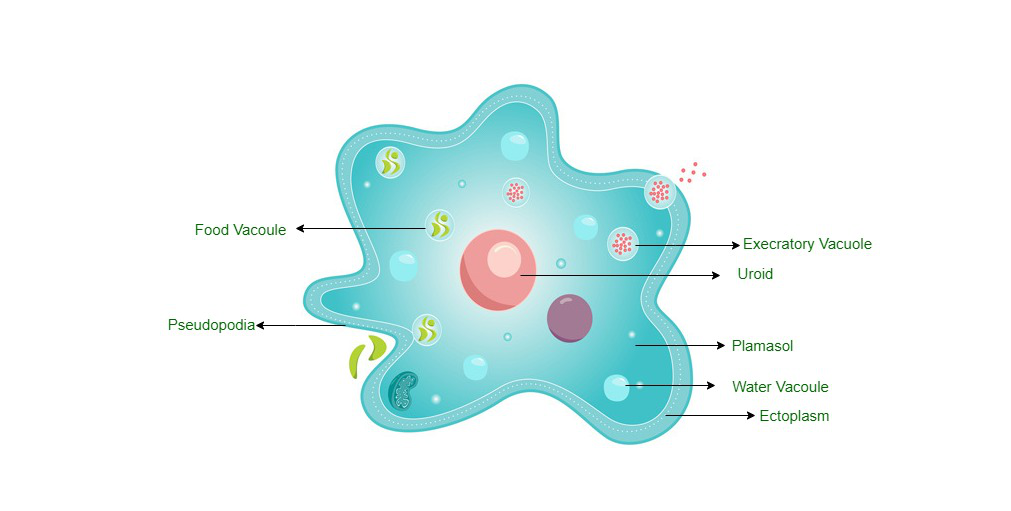
- They are Sarcodina or amoeboids and can be found in freshwater, the sea, or damp soil.
- Pseudopodia are used to move. They use pseudopodia to catch their prey.
- There is no clear shape and no pellicle.
- Here amoeboids would live in the water which is fresh and have contractile vacuoles.
- Cyst formation and binary fission are the means of reproduction.
- Entamoeba, for instance, or amoeba.
Sporozoa
- Also known as Sporozoans, are endoparasitic.
- They lack a specially designed organ for locomotion.
- There is a pellicle and its subpellicular microtubules aid in motility.
- Sporozoites are formed during reproduction.
- Myxidium, Globidium, etc. are some examples
Ciliates
- They are aquatic protozoans known as Ciliophora or ciliated protozoans, and their cilia assist them to move actively.
- Because of the pellicle’s coating, they have a set shape.
- In the subclass Suctoria, for example, they may have tentacles.
- There are contractile vacuoles.
- Trichocysts are a type of defensive organ found in several species.
- They are propelled by cilia, so the movement would be of the cilia aids in bringing food into the gullet.
- They create cysts in addition to transverse division reproduction.
- Examples include Balantidium, Vorticella, and Paramecium.
Diseases caused by the protozoans in the case of Humans
Protozoa are thought to be responsible for the majority of human protest diseases. When protozoa transform into human parasites, they cause disease in people. Most common and deadly illnesses in humans, including malaria, amoebic dysentery, and African sleeping sickness, are brought on by protozoan infections.
These can grow in numbers inside of humans, aiding in their survival and allowing deadly diseases to originate from a single entity merely. Protozoa discovered in human intestines are typically transmitted between humans by the fecal-oral route, such as contaminated water, food, or direct touch. An arthropod vector transmits the protozoa found in human tissue or blood to other humans.


No comments:
Post a Comment